

Uniform
School Uniform Policy 2026/27
St. George’s Uniform
1. Our Approach
At St. George’s Church of England Primary Academy, we believe that school uniform plays an important part in creating a strong sense of identity, belonging and pride in our school.
Our uniform reflects the high expectations we have for all pupils while ensuring that what we ask families to provide is affordable, practical, comfortable and accessible.
We expect all pupils to attend school wearing the correct uniform and ask parents and carers to support the school in maintaining these expectations.
At the same time, we recognise the financial pressures faced by families. Our uniform has therefore deliberately been designed so that the overwhelming majority of items can be purchased inexpensively from supermarkets, high-street retailers, online retailers or second-hand.
2. Principles of Our Uniform Policy
Our policy has been developed in accordance with Department for Education guidance and the statutory guidance concerning the cost of school uniform.
When determining our uniform requirements, the school will:
- ensure that uniform is affordable and represents good value for money;
- keep compulsory branded items to an absolute minimum;
- ensure that parents can purchase the majority of uniform from a wide range of retailers;
- avoid unnecessary variations in uniform between different year groups;
- ensure that uniform is practical, comfortable and appropriate for school;
- consider the impact of uniform requirements on different groups of pupils;
- make reasonable adjustments where appropriate;
- ensure that good-quality second-hand uniform is available to families;
- avoid frequent changes to uniform requirements; and
- consult appropriately before making significant changes to the school uniform.
From 1 September 2026, legislation limits primary schools to a maximum of three compulsory branded items, including items of PE kit.
St. George’s has chosen to go considerably further than this requirement. None of our school uniform has to be branded. All compulsory items may be purchased without school branding from a retailer of the family’s choice.
3. St. George’s School Uniform
All pupils are expected to wear:
Upper Body
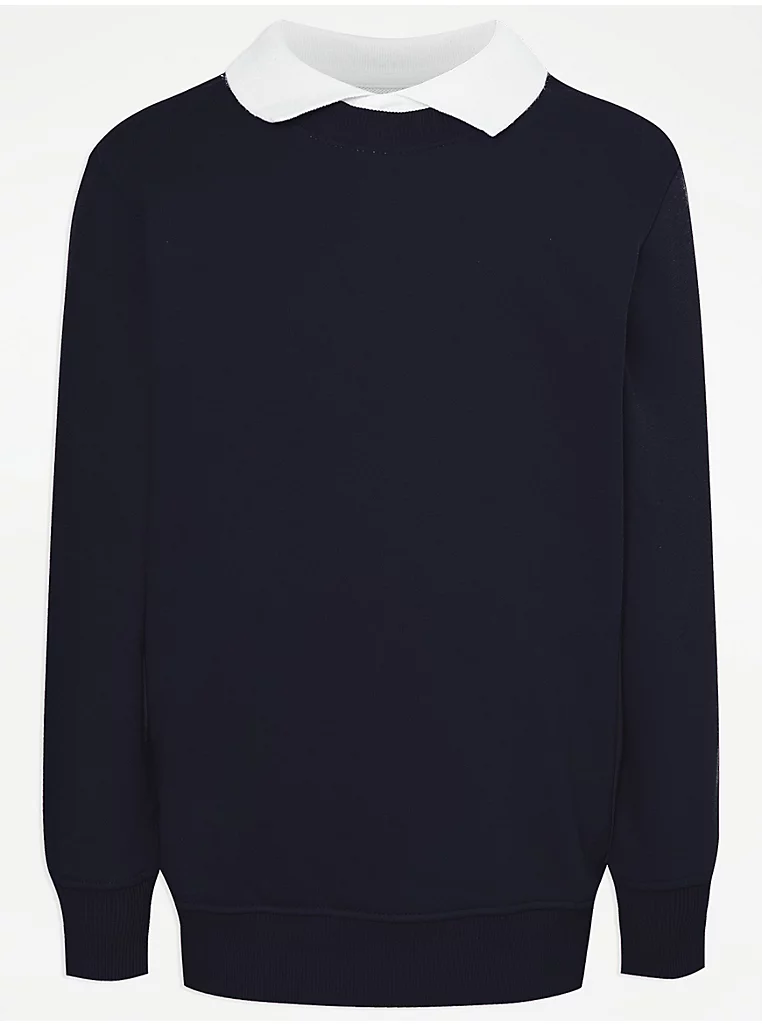
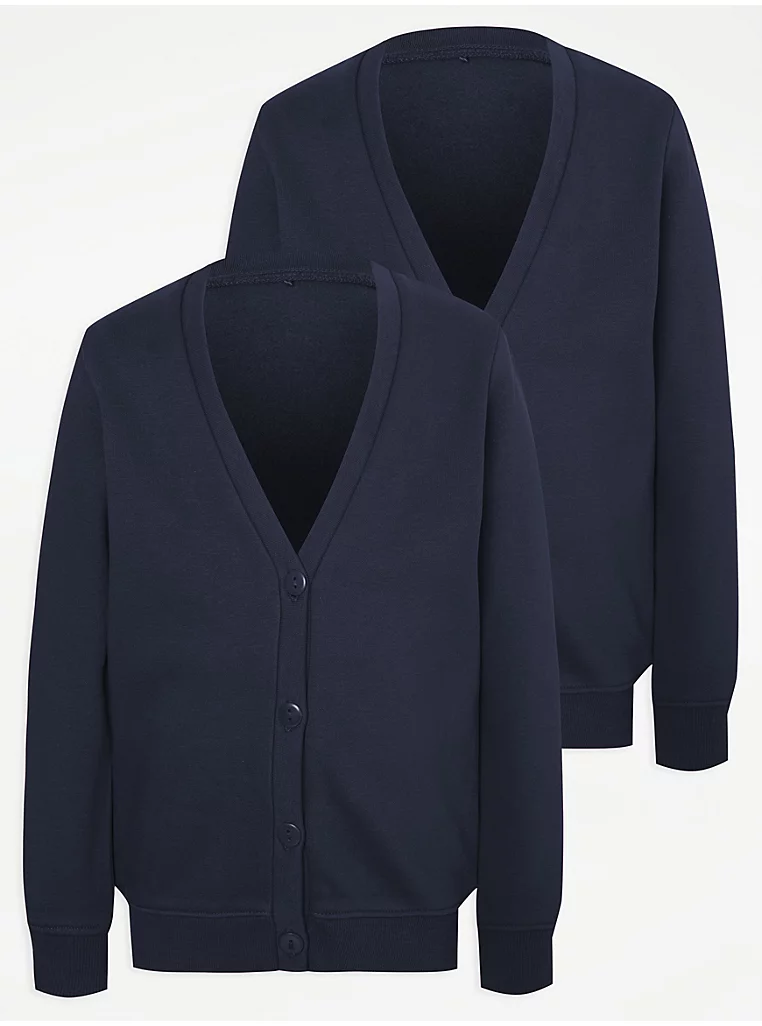
- Royal blue school sweatshirt or cardigan – this does not have to display the St. George’s school logo
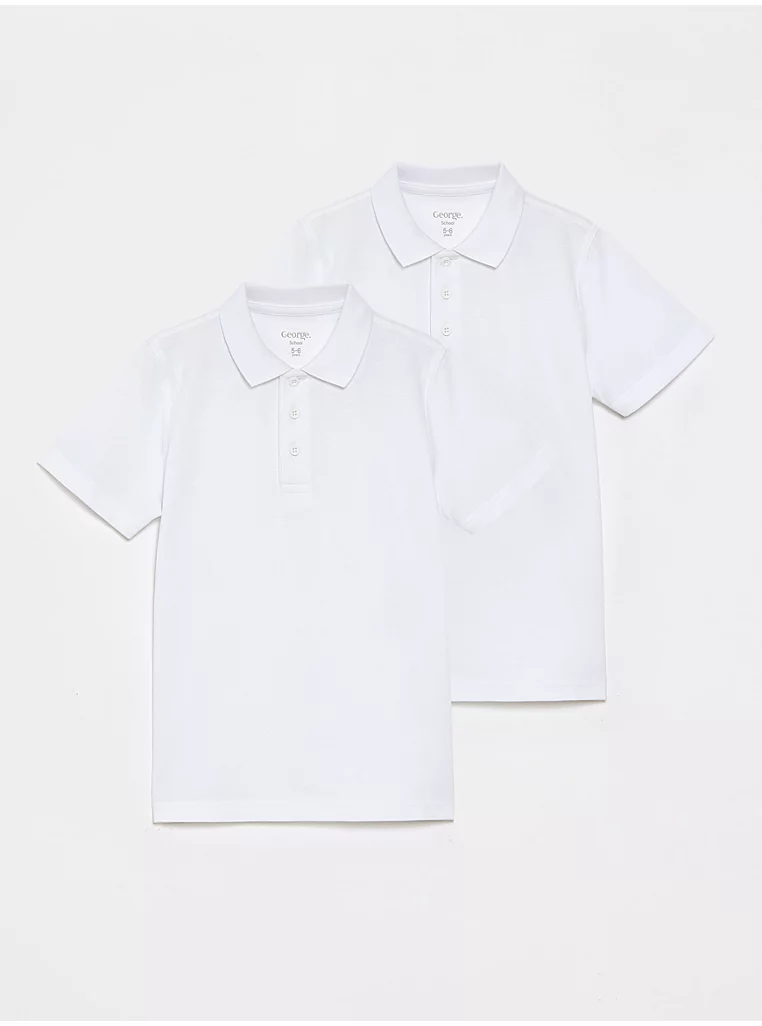
- Plain white polo shirt
Lower Body
Pupils may wear:
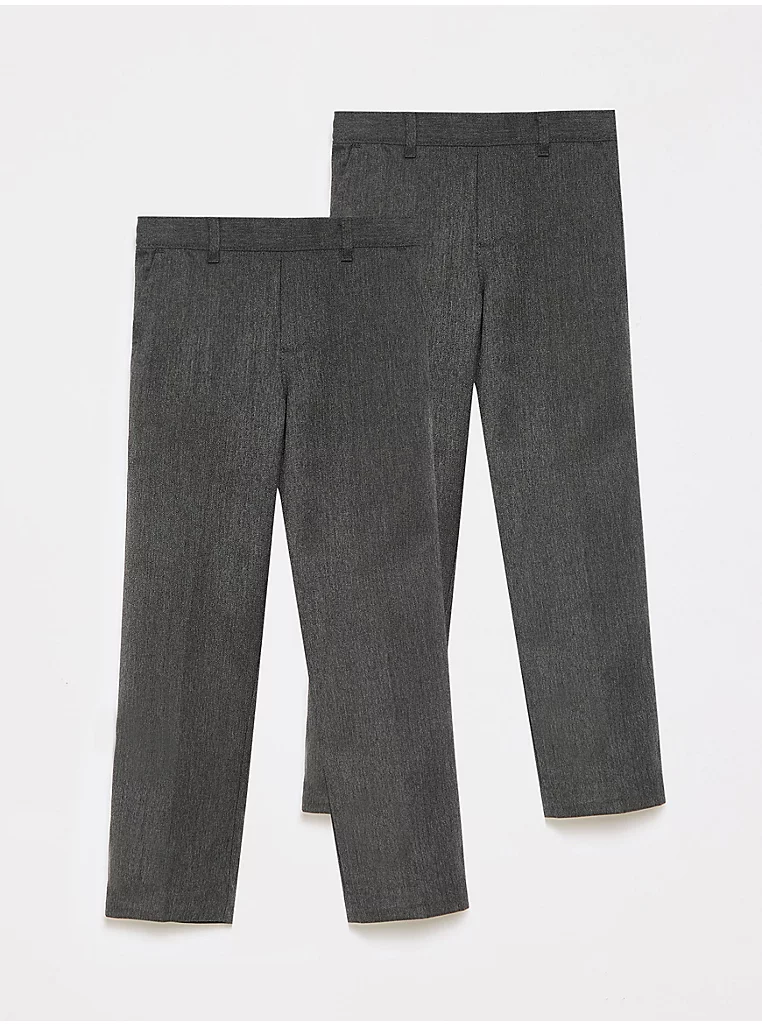
- plain grey or black trousers;
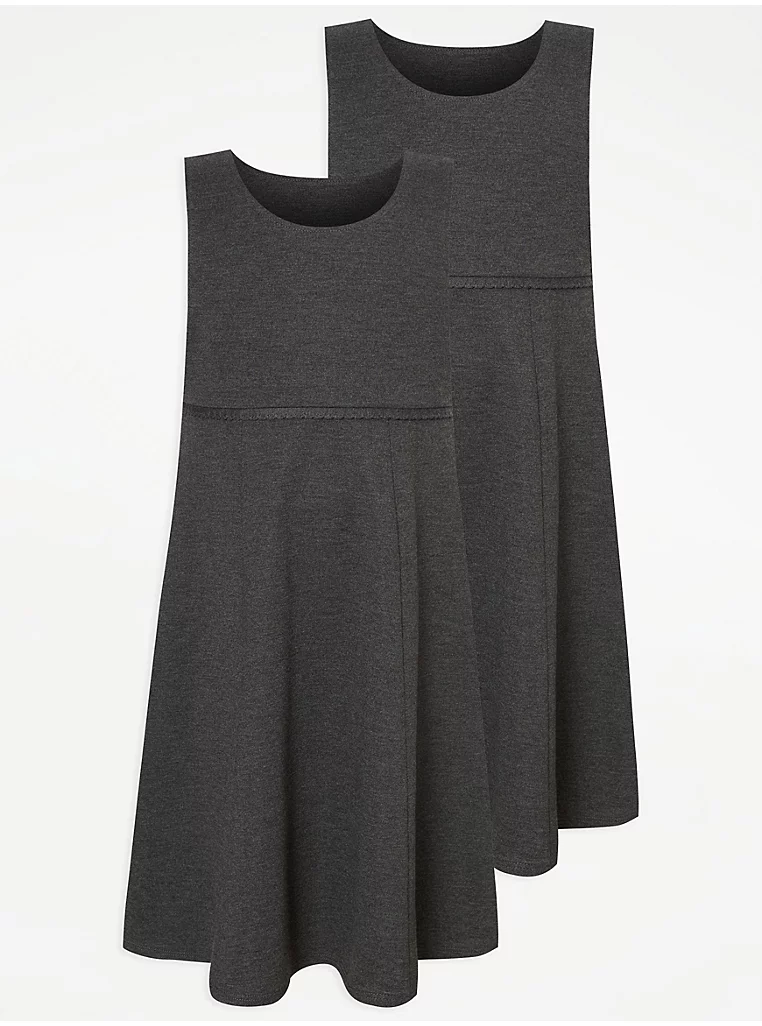
- plain grey or black skirt or pinafore; or
Summer Option
During warmer weather, pupils may also wear:
- blue and white gingham school dress; or
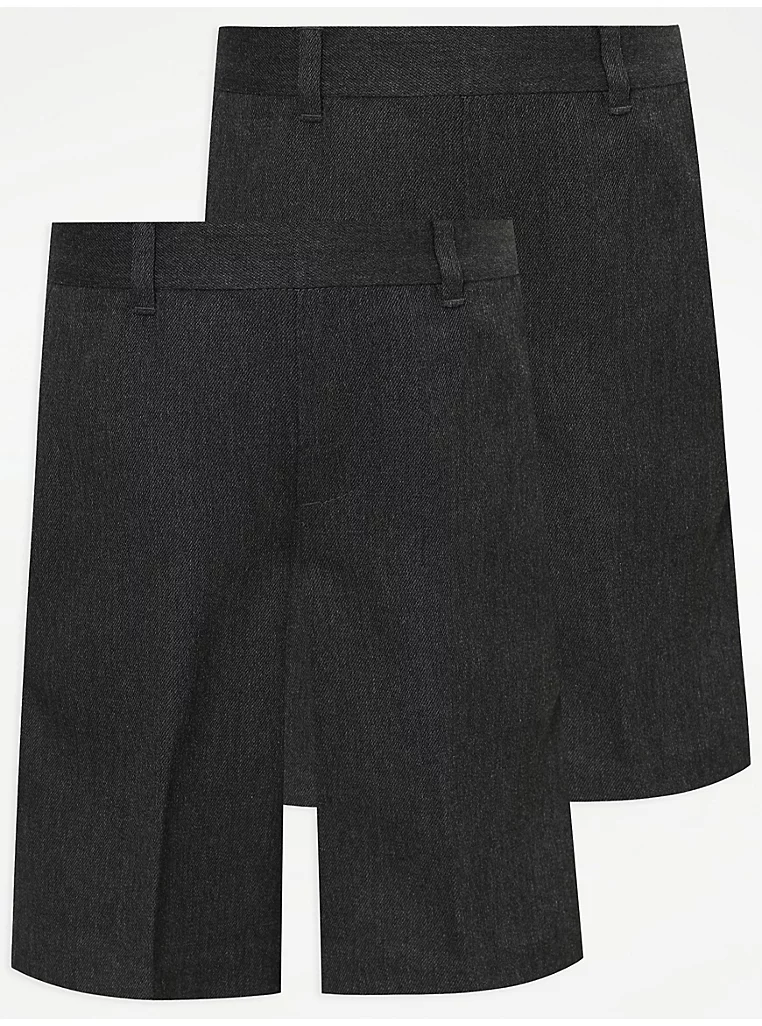
- plain grey or black tailored shorts.
These items do not need to carry the school logo.
4. Footwear
Pupils should wear:
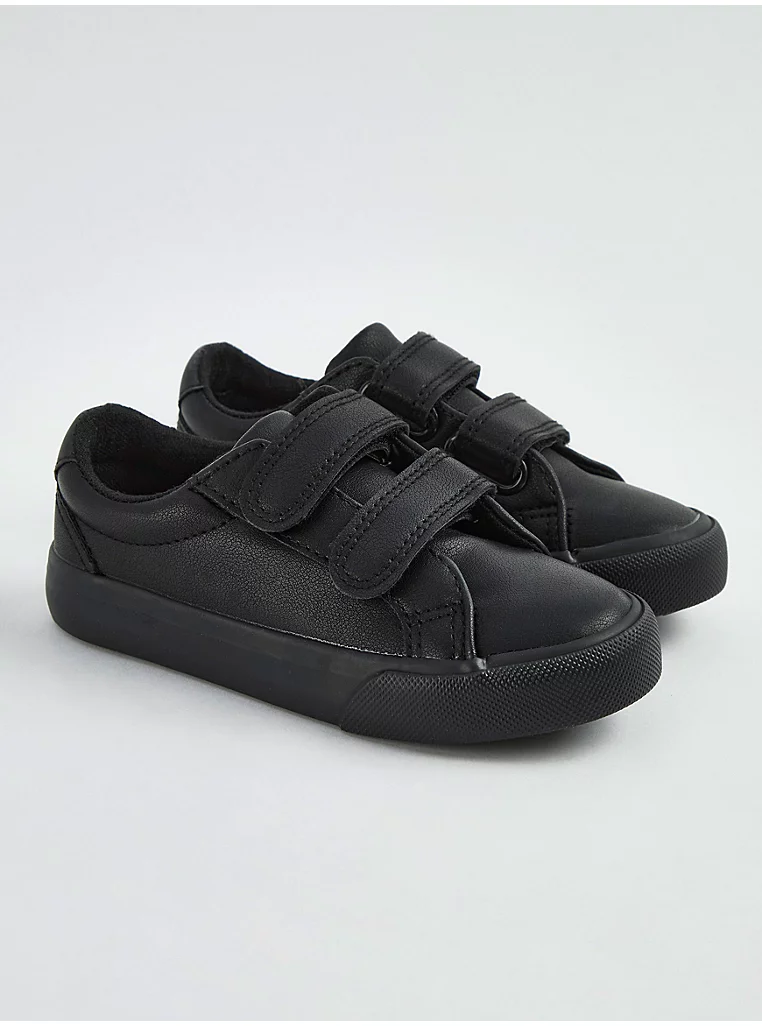
- Plain black, sensible and practical school shoes.
- Trainers
Footwear should be appropriate for a busy primary school environment and enable children to move around school safely.
Shoes must not have a heel.
5. PE Kit
The St. George’s PE kit includes two items of branded clothing – t-shirt and jumper.
Pupils require:
- school blue PE t-shirt
- school blue PE jumper
- plain navy blue or black shorts OR tracksuit bottoms;
- trainers suitable for physical activity.
All PE clothing should be clearly labelled with the child’s name.
6. Branded Uniform
A pupil will never be considered incorrectly dressed simply because an optional item does not display the school logo.
The St. George’s PE kit contains two items of branded clothing – t-shirt and jumper. In September 2026, all pupils were provided with a school PE kit free of charge. If a replacement t-shirt or jumper is required thereafter, these must be paid for.
7. Where Uniform Can Be Purchased
Parents and carers may purchase uniform from any retailer.
This includes supermarkets, high-street retailers, online retailers and second-hand providers.
The school does not require families to purchase generic uniform items from a particular supplier.
8. Pre-Loved and Second-Hand Uniform
We recognise that reusing uniform is both financially and environmentally responsible.
St. George’s therefore supports and actively encourages the use of pre-loved school uniform.
Good-quality donated uniform will be made available to families through arrangements publicised by the school.
Families are welcome to use second-hand uniform regardless of their financial circumstances.
There is no expectation that families explain why they wish to access pre-loved uniform.
Parents are also encouraged to donate clean, good-quality uniform that their children have outgrown.
Information explaining how families can obtain second-hand uniform can be obtained from the St. Goerge’s family support worker, or the main school office.
9. Supporting Families with the Cost of Uniform
No child should feel excluded from school life because their family is experiencing financial difficulty.
Parents and carers who are finding the cost of school uniform difficult are encouraged to contact the school.
Conversations will be handled sensitively, respectfully and confidentially.
Depending upon individual circumstances and available resources, support may include:
- access to pre-loved uniform;
- assistance in obtaining essential items;
- signposting families towards available financial support; or
- reasonable flexibility while a family obtains the required uniform.
Financial hardship should never become a barrier to a child’s education or participation in school.
10. Religious Clothing and Equality
St. George’s is proud to serve a diverse community.
Our uniform policy will be implemented in accordance with our responsibilities under equality legislation.
Pupils may wear items of clothing required by their religion or belief, provided these can be worn safely within the school environment.
For example, pupils who wear a hijab may wear a plain navy blue, black or white hijab appropriate for school.
Where activities create a health and safety consideration, the school will work sensitively with families to identify an appropriate solution.
Parents who wish to discuss a religious, cultural or equality-related aspect of the uniform policy should contact the Headteacher.
11. SEND, Medical and Sensory Needs
We recognise that some pupils may find particular items of clothing or footwear difficult to wear because of:
- special educational needs or disabilities;
- sensory needs;
- physical disabilities;
- medical conditions; or
- other individual circumstances.
The school will consider reasonable adjustments to the uniform policy where these are required.
Parents and carers are encouraged to speak to the class teacher, SENDCo or Headteacher so that appropriate arrangements can be agreed.
A reasonable adjustment to uniform will not result in a pupil being disadvantaged or treated less favourably.
12. Jewellery
For reasons of safety, jewellery should be kept to a minimum.
Pupils may wear:
- one pair of small, plain stud earrings; and
- a simple watch.
Smart watches or other wearable devices capable of messaging, recording, taking photographs, accessing the internet or operating applications should not be worn in school.
Jewellery may need to be removed for PE, swimming and other physical activities for safety reasons.
Parents should therefore consider this when arranging new ear piercings.
The school cannot accept responsibility for the loss of or damage to jewellery brought onto the school premises.
13. Hair and Hair Accessories
Hair should be appropriate for school and should not prevent a pupil from participating safely in learning or physical activity.
Long hair should be tied back when necessary for PE, sport, practical activities or for another identified health and safety reason.
Hair accessories should be practical and should not present a safety risk.
Where possible, accessories should be in colours that complement the school uniform.
The school recognises that hairstyles may have cultural, religious or ethnic significance. Our expectations will therefore be implemented fairly and sensitively and in accordance with equality legislation.
14. Nails, Make-Up and Cosmetics
Primary-aged pupils should not normally wear make-up, artificial nails or nail extensions to school.
These expectations reflect the practical requirements of a primary school environment rather than expectations concerning appearance.
Exceptions will be considered where there is a medical, religious or other reasonable need.
15. Bags and Book Bags
Children need an appropriate bag in which to carry books, reading materials and other belongings between home and school.
There is no requirement to purchase a school-branded book bag.
Families may provide any sensible, appropriately sized school bag or book bag.
Branded St. George’s book bags may be available to purchase for families who would like one, but purchasing one is entirely optional.
16. Water Bottles
Children should bring a clearly labelled reusable water bottle to school.
There is no requirement to purchase a school-branded water bottle.
Water bottles may be purchased from any retailer.
17. Non-Uniform and Special Event Days
On designated non-uniform days, pupils should wear clothing that:
- is appropriate for a primary school;
- allows them to participate safely in normal school activities;
- is appropriate for the weather; and
- does not display offensive or inappropriate words, images or messages.
Families should not feel under pressure to purchase special clothing or costumes for events such as World Book Day or curriculum theme days.
Where dressing up is encouraged, homemade, reused or simple alternatives are equally welcome.
18. Labelling and Lost Property
Parents and carers are strongly encouraged to clearly label children’s clothing and belongings with their child’s name.
Named items can usually be returned quickly to their owners.
The school will establish arrangements for managing lost property and will communicate these arrangements to families.
Unclaimed items in good condition may subsequently be added to the school’s pre-loved uniform provision.
19. Expectations and Responding to Incorrect Uniform
We expect parents and carers to support the school’s uniform policy and pupils to attend school appropriately dressed.
However, our response when a child is not wearing the correct uniform will always be proportionate, reasonable and sensitive to the circumstances.
Staff should seek to understand why a pupil is not wearing the correct uniform before taking further action.
Where there are repeated difficulties, the school will work with parents and carers to identify the reason and agree an appropriate solution.
Financial hardship will be treated sensitively and support offered where appropriate.
A child will not be prevented from accessing education simply because their family is having trouble obtaining the correct uniform.
Our priority will always be to work constructively with families while maintaining high expectations across the school.
20. Responsibilities
The Local Academy Board and Trust
The Local Academy Board and Trust are responsible for ensuring that the school’s uniform policy:
- complies with relevant legislation and statutory guidance;
- gives appropriate consideration to affordability;
- complies with the legal limit on compulsory branded items;
- gives appropriate consideration to equality, religion, SEND and other protected characteristics; and
- is reviewed appropriately.
The Headteacher
The Headteacher is responsible for the day-to-day implementation of this policy and for ensuring expectations are applied consistently, reasonably and fairly.
Staff
Staff are responsible for promoting the school’s expectations positively and raising concerns sensitively and appropriately.
Parents and Carers
Parents and carers are asked to:
- ensure their child attends school wearing the correct uniform;
- clearly label clothing wherever possible;
- contact school if they are experiencing difficulty obtaining uniform; and
- discuss any individual requirements or reasonable adjustments with the school.
Pupils
Pupils are encouraged to take pride in their appearance, look after their belongings and represent St. George’s positively.
21. Monitoring and Review
The school will keep this policy under regular review.
In particular, the school will consider:
- the overall cost of the uniform;
- whether compulsory items remain necessary;
- the availability and cost of branded items;
- whether generic alternatives are readily available;
- the availability of second-hand uniform;
- feedback from parents and pupils;
- equality considerations; and
- any changes to legislation or Department for Education guidance.
Significant changes to the uniform will not be introduced without appropriate consideration of the financial impact on families and appropriate consultation.
Our Commitment
Our uniform should help children feel that they belong to St. George’s. It should create pride and a shared identity without placing an unnecessary financial burden on families.
We will maintain high expectations while ensuring that our approach remains fair, affordable, inclusive and compassionate.
For everyone to flourish through hard work, ambition and love.